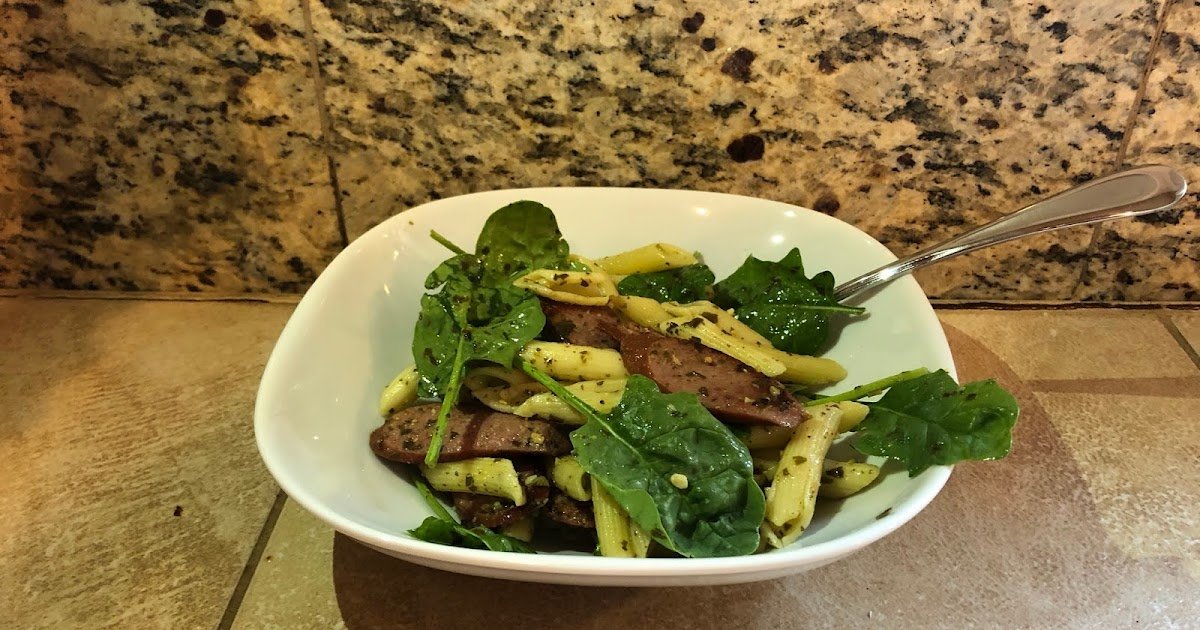
Tired of the myth that delicious food must come with a hefty price tag? It's a common misconception, but one we're here to shatter. With the right strategies and a dash of culinary creativity, Budget-Friendly & Affordable Eats can be exceptionally flavorful, satisfying, and even impressive. Forget sacrificing taste for savings; this guide will equip you to transform simple ingredients into mouth-watering meals that won't strain your wallet.
Navigating rising food costs doesn't mean resigning yourself to bland dinners or endless instant noodles. In fact, some of the world's most beloved cuisines are built on humble, inexpensive ingredients. It's about smart choices, thoughtful preparation, and a willingness to explore. Let's dig in and discover how cheap meals can indeed be bursting with flavor.
At a Glance: Your Roadmap to Affordable Feasts
- Master Smart Shopping: Learn how to buy in bulk, leverage sales, and stick to a list to save big at the grocery store.
- Build a Budget Pantry: Discover essential, versatile ingredients that form the backbone of countless inexpensive meals.
- Embrace Meal Prep: Unlock the power of cooking once and eating for days, preventing waste and saving time.
- Explore Flavorful Recipes: Get dozens of ideas for breakfast, lunch, and dinner, proving healthy and delicious can also be cheap.
- Elevate Simple Ingredients: Pick up journalist-tested tips to make even the most basic meals sing with robust flavors.
- Answer Your FAQs: Tackle common questions about eating well on a tight budget, including cheap protein sources and family meal ideas.
The Big Picture: Why Budget-Friendly Eats Matter Now More Than Ever
In an era of fluctuating economic pressures, understanding how to eat well without overspending is more than just a money-saving hack—it's a vital life skill. Beyond the immediate financial relief, cooking on a budget empowers you. It fosters creativity in the kitchen, reduces food waste, and often leads to healthier eating habits as you become more conscious of what goes into your meals.
Think about it: when you learn to stretch a dollar, you gain freedom. That extra cash can go towards other priorities, or simply provide a buffer. Plus, there's an immense satisfaction in knowing you can create incredible dishes from everyday items. If you’re ever looking for a break from cooking, but still want to keep an eye on your expenses, it’s good to know there are options like Orange County’s best eats under $20 available.
The Foundation: Smart Shopping Strategies That Save Serious Cash
The grocery store is where the battle for your budget is often won or lost. Approaching it with a game plan is crucial.
1. Buy in Bulk (Wisely)
For non-perishable staples like oats, rice, dried beans, pasta, and frozen vegetables, buying larger quantities usually means a lower unit price. Just make sure you have the storage space and will actually use the items before they expire.
2. Leverage Sales, Coupons, and Apps
This isn't just for extreme couponers. Most grocery stores have weekly flyers, loyalty programs, and apps that offer personalized discounts. Plan your meals around what's on sale. A quick scan of the weekly ad can inspire budget-friendly dinners you might not have considered.
3. Prioritize Versatile Ingredients
Think about ingredients that can play multiple roles in your kitchen.
- Eggs: Breakfast scrambles, frittatas, protein boost in stir-fries, quick lunches.
- Tortillas: Wraps, quesadillas, mini pizzas, even makeshift taco shells.
- Canned Tomatoes: Sauces, soups, chili bases.
- Frozen Spinach: Adds nutrition to almost any savory dish without the spoilage risk of fresh.
4. Stick to Your Shopping List (No Exceptions)
An unplanned item here or there might seem small, but it adds up. Before you leave for the store, plan your meals for the week, check your pantry, and write a detailed list. Then, stick to it like glue. This simple act drastically reduces impulse buys and food waste.
5. Embrace Store Brands
Often produced by the same manufacturers as their name-brand counterparts, store-brand items (like pasta, canned goods, dairy, and spices) are consistently cheaper and frequently just as good. Give them a try – your taste buds and your wallet will thank you.
Kitchen Staples for Savvy Cooks
Having a well-stocked pantry, fridge, and freezer is your secret weapon for whipping up delicious, affordable meals on the fly. You'll avoid last-minute take-out temptations because you know you have the building blocks for a great meal at home.
Pantry Powerhouses
- Grains: Rice (white, brown), pasta (various shapes), oats, quinoa, lentils.
- Canned Goods: Black beans, chickpeas, diced tomatoes, tomato paste, tuna, chicken/vegetable broth.
- Oils & Vinegars: Vegetable oil, olive oil, apple cider vinegar, white vinegar.
- Spices & Herbs: Salt, pepper, garlic powder, onion powder, cumin, chili powder, paprika, dried oregano, Italian seasoning.
- Sauces & Condiments: Soy sauce, hot sauce, mustard, ketchup.
- Sweeteners: Sugar, honey.
- Flour: All-purpose.
Fridge Essentials
- Dairy: Eggs, milk, butter, cheese (block cheese is often cheaper than shredded).
- Produce: Onions, garlic, potatoes (russet, sweet), carrots.
- Condiments: Mayonnaise, peanut butter.
Freezer Heroes
- Proteins: Chicken thighs (often cheaper than breasts), ground meat (buy on sale and freeze), frozen fish fillets (tilapia, cod), frozen shrimp.
- Vegetables: Broccoli, spinach, peas, corn, mixed vegetables. These are often picked at peak ripeness and just as nutritious as fresh, at a fraction of the cost and with zero waste.
- Fruits: Berries, bananas (great for smoothies or baking).
- Bread/Tortillas: Extend their shelf life by freezing.
Mastering Meal Prep: Your Wallet's Best Friend
Meal prepping isn't just for fitness enthusiasts; it's a budget-savvy strategy that saves time, reduces food waste, and keeps you on track with healthy eating.
1. Plan Ahead
Before you cook, know what you're making. Look at your week: busy nights, work-from-home lunches, family dinners. Select recipes that can be made in larger quantities or use similar ingredients. For example, roast a big batch of chicken, then use it in wraps one day, pasta the next, and soup later in the week.
2. Cook in Batches
Dedicate a block of time (e.g., Sunday afternoon) to cook your main components.
- Grains: Cook a large pot of rice or quinoa.
- Proteins: Bake chicken thighs, brown ground beef, or cook a big batch of lentils.
- Vegetables: Roast a sheet pan of assorted veggies.
- Sauces/Dressings: Make a vinaigrette or a chili base that can be used throughout the week.
3. Freeze for Future Feasts
Many budget-friendly meals freeze beautifully, creating instant "convenience meals" that beat takeout prices any day.
- Soups & Chili: Cook a large pot and freeze in single-serving containers.
- Casseroles & Lasagna: Bake a whole pan, then slice and freeze portions.
- Burritos: Assemble bean and rice burritos, wrap tightly, and freeze. Pop them in the microwave or oven when needed.
- Cooked Meat: Shredded chicken or ground beef can be frozen and defrosted for quick additions to meals.
Flavor on a Dime: Delicious Meal Ideas for Every Time of Day
Now for the fun part: the food! Eating on a budget doesn't mean sacrificing variety or taste. Here are dozens of ideas, many of which can be made for under $3 per serving, proving that cheap can indeed be cheerful—and delicious!
Breakfast Boosters (Start Your Day Strong & Cheap)
- Overnight Oats: Rolled oats, milk (dairy or non-dairy), a touch of vanilla, and fruit (fresh or frozen berries). No cooking needed, perfect for grab-and-go mornings.
- Banana Pancakes: Mash a ripe banana, mix with an egg and a little flour. Cook like regular pancakes. (Pro tip: make extra and freeze them!)
- Egg & Veggie Burritos: Scramble eggs with any leftover veggies (peppers, onions, spinach), wrap in a tortilla. These are also freezer-friendly.
- Greek Yogurt with Homemade Granola: Making your own granola with oats, honey, and nuts is cheaper and healthier than store-bought. Pair with plain Greek yogurt for protein.
- Peanut Butter & Banana Toast: A classic for a reason – quick, filling, and packed with energy.
Lunchtime Legends (Wallet-Friendly & Fast)
- Chickpea Salad Wraps: Mash canned chickpeas with mayo, mustard, and your favorite spices. Wrap in a tortilla with lettuce and tomato. A fantastic vegetarian alternative to tuna salad.
- Ramen Noodle Stir-Fry: Ditch the flavor packet. Sauté instant ramen noodles with frozen veggies, a splash of soy sauce, and an egg for protein.
- Pasta Salad with Mushroom: Cooked pasta, corn, mushrooms, bell peppers, beans, and cheese. It's easy, delicious, healthy, and keeps well for several days.
- White Bean Tuna Salad: A Tuscan-inspired dish featuring cannellini beans and canned tuna, excellent on crackers or in a sandwich, often around $1.36 per serving.
- Leftover Rice Bowls: Top leftover rice with roasted veggies, a protein (chicken, egg, beans), and a drizzle of hot sauce or tahini dressing.
Dinner Delights (Hearty & Economical)
- Lentils and Masala: A warm, comforting, and incredibly cheap lentil stew. Serve with rice or flatbread.
- Sheet Pan Sausage and Potatoes: Toss sausage and diced potatoes with olive oil and spices on one sheet pan, then roast. Minimal cleanup, maximum flavor.
- Baked Ziti with Spinach: Use store-brand pasta, bottled sauce, and frozen spinach. A classic crowd-pleaser that stretches well.
- Moroccan Chicken and Cauliflower Stew: A flavorful stew with chicken, chickpeas, and vegetables, seasoned with cumin, ginger, and cinnamon. Can be made for around $2.97 per serving.
- Skillet Lasagna: A generous lasagna made in a single skillet, featuring ground meat, wide egg noodles, mushrooms, and cheese. Delicious and around $2.57 per serving for 5 portions.
- Stuffed Sweet Potatoes: Bake sweet potatoes, then top with black beans, salsa, and shredded cheese.
- Skillet Mac and Cheese: Add broccoli or peas for extra nutrition and to bulk it up.
Healthy & Affordable Choices
- Black Bean & Quinoa Bowls: Quinoa, black beans, assorted veggies, and a zesty lime dressing.
- Roasted Veggie Tacos: Use discounted or seasonal vegetables like sweet potatoes or cauliflower. Add black beans and a dollop of avocado (if your budget allows) or a cheap salsa.
- Greek-Inspired Quinoa Salad with Feta and Lemon Dressing: A quick 20-minute salad with quinoa, feta, olives, and bell peppers, coming in at about $1.50 per serving.
- Cabbage Stir-Fry: Cabbage is incredibly cheap and versatile. Stir-fry it with tofu or an egg for protein, and a flavorful sauce.
- Spaghetti Squash Marinara: A low-carb alternative to pasta, especially good when spaghetti squash is in season and on sale.
Quick Fixes for Busy Nights
- Grilled Cheese & Tomato Soup: A homemade tomato soup (from canned tomatoes) with a classic grilled cheese sandwich is ultimate comfort.
- Egg Fried Rice: Re-purpose leftover rice with scrambled eggs and a handful of frozen vegetables.
- Tortilla Pizzas: Spread sauce and cheese on a tortilla, add any toppings you have, and bake until bubbly.
- Chili-Pasta Skillet: A hearty dish combining chili flavors, pasta, and cheese, ready in 20 minutes and under 300 calories, costing about $1.61 per serving.
- Chicken Quesadillas: Use leftover chicken and cheese, folded in a tortilla and cooked in a pan.
Elevating Everyday Eats: Making Cheap Food Taste Gourmet
The secret to making budget meals sing isn't about expensive ingredients; it's about smart cooking techniques and flavor building.
1. The Power of Aromatics & Spices
Don't skip the basics! Onions, garlic, and fresh (or dried) herbs like oregano, thyme, and rosemary add a foundational layer of flavor. Bloom your spices in a little oil at the beginning of cooking to release their full aroma.
2. Texture Is Key
Contrast soft ingredients with something crunchy. Think toasted nuts or seeds on a salad, crispy fried onions on a casserole, or crunchy croutons in soup. Roasting vegetables instead of boiling them caramelizes their sugars, adding depth and texture.
3. Embrace Acid & Fat
A squeeze of lemon or lime juice, a splash of vinegar (red wine, apple cider), or a dollop of plain yogurt can brighten up a dish and cut through richness. Healthy fats like olive oil or a pat of butter add luxuriousness and carry flavor.
4. Reimagining Leftovers
Don't just reheat; reinvent! Leftover roasted chicken can become fajitas. Cooked rice can turn into fried rice or a base for a grain bowl. This prevents boredom and makes cheap ingredients go further.
5. Umami Boosters
Ingredients rich in umami (that savory "fifth taste") can make simple dishes incredibly satisfying. Think soy sauce, mushrooms, tomato paste, Parmesan cheese, and nutritional yeast (for vegetarian options).
Your Burning Questions Answered
What are the absolute cheapest meals?
At their core, the cheapest meals are built around starches, legumes, and eggs. Think rice, pasta, beans, lentils, and potatoes.
- Examples: Rice and beans, pasta with basic sauce (aglio e olio, simple marinara), lentil soup, egg burritos, potato and onion hash. The key is to make large portions and utilize leftovers creatively.
How can I eat healthy on a tight budget?
Focus on whole, unprocessed foods:
- Grains: Oats, brown rice, whole wheat pasta.
- Legumes: Dried or canned beans, lentils.
- Vegetables: Frozen vegetables, seasonal produce, root vegetables (potatoes, sweet potatoes, carrots, cabbage).
- Proteins: Eggs, canned fish (tuna, sardines), chicken thighs, ground turkey.
Buy in bulk, choose store brands, and cook at home.
What are some good, cheap family meals?
Family-friendly meals that scale well are often casseroles, soups, and dishes that can be made in large batches.
- Examples: Baked ziti, chili, tacos (using ground meat or beans), sheet pan dinners (sausage and veggies), pasta bakes, shepherd's pie.
Can I cook a meal for $5 or less?
Absolutely! Many single-serving meals can be made for less than $5, and often less than $3.
- Examples: Vegetable stir-fry with rice, black bean burritos, pasta aglio e olio, simple egg and toast, lentil soup. Focus on starches as your base and add budget-friendly proteins and veggies.
What are cheap sources of protein?
- Eggs: Highly versatile and nutritious.
- Canned Tuna/Salmon: Great for salads, sandwiches, or added to pasta.
- Beans (dried or canned): Black beans, chickpeas, kidney beans, pinto beans.
- Lentils: Red, green, or brown lentils are packed with protein and fiber.
- Peanut Butter: Excellent for breakfast, snacks, or even in savory sauces.
- Chicken Thighs: Often more affordable than breasts, especially when bought frozen or in bulk.
- Tofu/Tempeh: Great for vegetarian options, especially when on sale.
Combine grains with beans or lentils to create complete proteins.
Is eating vegetarian cheaper on a budget?
Generally, yes. Plant-based proteins like beans, lentils, and tofu are often cheaper per serving than meat. Focusing on a diet rich in vegetables, grains, and legumes can significantly reduce your grocery bill. Utilize dried beans, frozen vegetables, and seasonal produce.
What cheap meals can be frozen?
Freezing is your friend for budget cooking!
- Chili & Soups: Most varieties freeze well.
- Casseroles & Lasagna: Great for portioning.
- Burritos & Enchiladas: Assemble and freeze uncooked or cooked.
- Egg Muffins: Cooked eggs and veggies in muffin tins, perfect for quick breakfasts.
- Cooked Grains: Rice or quinoa can be frozen to save prep time later.
- Shredded Cooked Meats: Chicken or pork can be frozen and used in various dishes.
Beyond the Kitchen: Finding Value Outside Your Home
While cooking at home is king for budget eating, sometimes you need a break. It's still possible to find wallet-friendly options when dining out. Many restaurants offer special lunch deals, happy hour menus, or early bird specials that provide significant savings. Exploring local eateries, especially ethnic restaurants, can often yield incredibly flavorful and generously portioned meals at surprisingly low prices. If you’re ever curious about OC’s best budget eats, there are plenty of guides to help you find value even when you're not cooking. Don't be afraid to discover affordable OC hidden gems—sometimes the best food is found off the beaten path!
Your Next Step to Savvy Eating
The journey to mastering budget-friendly and affordable eats is ongoing, but it's a rewarding one. Start small: pick one or two shopping tips to implement this week. Try one new recipe from our list. Get comfortable with meal prepping just one component, like cooking a big batch of rice. Each small step builds confidence and skills.
Remember, eating well on a budget isn't about deprivation; it's about empowerment, creativity, and finding immense satisfaction in the delicious, wholesome meals you create with your own hands. Happy cooking!