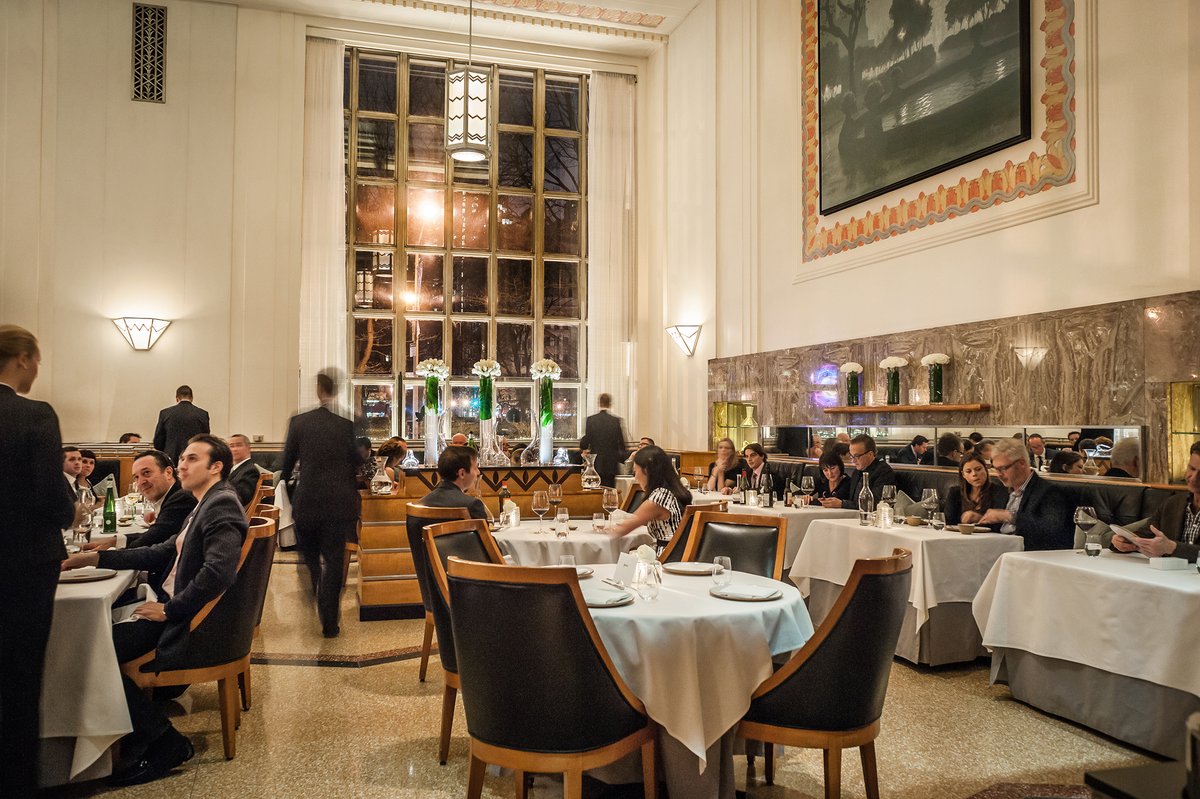
Step into a world where every dish is a masterpiece, every detail an intentional stroke, and every moment crafted for your delight. Fine dining and upscale restaurants aren't just about eating; they offer a profound sensory journey, a meticulous ballet of flavors, textures, and impeccable service designed to transcend the ordinary meal. It's an investment in an experience, a celebration of culinary artistry that engages all your senses.
At a Glance: What to Expect from a Premium Dining Experience
- Exceptional Culinary Artistry: Innovative dishes using premium, often rare or locally sourced ingredients. Think tasting menus, complex flavors, and stunning presentation.
- Impeccable Service: Attentive, knowledgeable, and discreet staff who anticipate your needs without being intrusive.
- Sophisticated Ambiance: Thoughtfully designed spaces, from grand and opulent to intimately chic, creating a unique atmosphere.
- Curated Beverage Programs: Extensive wine lists, expert sommeliers, and craft cocktails that perfectly complement the cuisine.
- Attention to Detail: From the tableware to the lighting, every element contributes to the overall sensory experience.
- Elevated Etiquette: While rules are relaxing, a certain level of respect for the environment and fellow diners is expected.
Beyond the Plate: Understanding the Essence of Fine Dining
What truly differentiates a fine dining establishment from a good restaurant? It's the relentless pursuit of perfection in every facet. This isn't just about a higher price tag; it's about a holistic experience where food, service, and ambiance coalesce into something truly memorable. Consider RH Rooftop Restaurant at RH Palo Alto, which offers a "skylit garden escape with heritage olive trees, sparkling chandeliers," creating an immediate sense of occasion before the first course even arrives.
Culinary Creativity: A Symphony of Flavors
At the heart of any exceptional upscale restaurant is the food itself. Chefs here are often artists, pushing boundaries and redefining classic dishes. You'll encounter:
- Innovative Techniques: Sous vide, molecular gastronomy, and other precise methods transform ingredients.
- Premium Ingredients: Expect the freshest, often hyper-locally sourced produce, prime cuts of meat (like those at Alexander's Steakhouse or Dio Deka's USDA Prime steaks), and exotic spices. Ettan, for instance, offers "highly personal, vibrant dishes from the country’s most decorated Cal-Indian chef."
- Artful Presentation: Each plate is a visual feast, meticulously arranged to delight the eye as much as the palate.
The Plumed Horse, a beacon of South Bay fine dining since 1952, has earned a Michelin star for 15 consecutive years under Executive Chef Peter Armellino, primarily for his tasting menu featuring local farms and fishermen. Similarly, Nobu Palo Alto seamlessly blends Japanese and Peruvian flavors, creating world-famous dishes like Alaskan Black Cod and Yellowtail Sashimi Jalapeño – a testament to unique culinary fusions.
The Art of Service: Invisible Yet Indispensable
Service in a fine dining setting is an almost invisible dance. Staff are not just servers; they are orchestrators of your evening. They possess deep menu knowledge, can guide you through wine pairings, and anticipate your needs before you voice them.
- Anticipatory Service: A napkin dropped? It's replaced without a word. Your water glass empties? It's refilled.
- Discreet Professionalism: Staff move with grace and speak with politeness, ensuring your conversation remains the focus.
- Expert Guidance: From explaining complex dishes to recommending the perfect wine, their expertise elevates your choices. Tasting House, for example, boasts a team of 10 sommeliers to help navigate their extensive list of 1,000 bottles and 100+ Champagnes. Cucina Venti is also recognized for its "top-notch service," further emphasizing this crucial aspect.
Ambiance and Atmosphere: Setting the Stage
The environment plays a pivotal role in the fine dining experience. Restaurants invest heavily in creating an atmosphere that is both luxurious and comfortable. This can range from the "rustic chic" and "magical and glamorous" setting of Ettan to the "elegant yet energetic atmosphere" of Dio Deka.
Expect:
- Thoughtful Decor: High-quality furnishings, art, and lighting design.
- Comfortable Seating: Often plush and designed for extended enjoyment.
- Appropriate Sound Levels: Music (sometimes live jazz, as at Tasting House) and conversation volume are carefully managed to enhance, not detract from, your experience.
- Privacy: Tables are often spaced for intimate conversations, or private dining rooms are available for special events, as seen at Cucina Venti, which caters heavily to corporate functions.
Decoding the Dress Code: Dressing for the Occasion
One of the most common questions surrounding fine dining is "What do I wear?" While many establishments are becoming more relaxed, it's always wise to err on the side of elegance. The Plumed Horse offers practical advice: "Wear whatever makes you comfortable, but you are here for a special night out, dressing up is fun! While not required, suits, sportcoats and classy attire will generally get you the best seats in the house."
- Formal: This might mean a suit and tie for men, and a cocktail dress or elegant separates for women. Often reserved for very high-end or specific events.
- Business Casual: A safe bet for most upscale restaurants. For men, slacks or chinos with a collared shirt (jacket optional). For women, a dress, skirt, or tailored trousers with a blouse.
- Smart Casual: Clean, stylish, and put-together. Dark jeans may be acceptable if paired with a blazer or an elegant top. Avoid athletic wear, t-shirts, shorts, or flip-flops. Arya Steakhouse in Palo Alto notes that "business or dressy casual attire" is comfortable in their elegant environment.
Pro Tip: When in doubt, call the restaurant directly or check their website. Many fine dining establishments clearly state their dress code preferences. It's not about snobbery; it's about respecting the ambiance and the efforts put into creating a special atmosphere.
Mastering the Menu: Tasting Menus vs. À la Carte
The menu at a fine dining establishment is often a meticulously curated selection of dishes designed to showcase the chef's vision. You'll typically encounter two main styles:
The Journey of a Tasting Menu
A tasting menu, or "prix fixe" menu, is a multi-course culinary journey orchestrated by the chef. It's designed to provide a comprehensive experience, often highlighting seasonal ingredients and the chef's signature techniques. The Plumed Horse features a chef's tasting menu as its highlight, and Tasting House offers an indulgent 15-course option.
- Pros: Allows you to experience a wider range of the chef's artistry, often includes unexpected pairings, and removes the decision-making burden.
- Cons: Less flexibility for individual preferences or dietary restrictions (though many can accommodate with advance notice), generally a longer dining experience.
The Freedom of À la Carte
"À la carte" allows you to select individual dishes from appetizers, main courses, and desserts. This option offers more control over your meal, allowing you to tailor it to your specific cravings or dietary needs. Tasting House, for instance, offers their acclaimed Executive Chef Julian Silvera's dishes both à la carte and as part of the tasting menu.
- Pros: Flexibility, control over portion sizes (to an extent), and the ability to customize your meal.
- Cons: Can sometimes be more expensive if you order many courses, and you might miss out on the chef's intended progression of flavors.
The Role of the Sommelier and Mixologist
No fine dining experience is complete without a thoughtful beverage program. Sommeliers, like the team at Tasting House, are wine experts who can guide you through extensive lists, suggesting perfect pairings that enhance your meal. Dio Deka also boasts an "extensive wine list," recognized by Wine Enthusiast.
Beyond wine, many upscale restaurants now feature skilled mixologists who craft innovative cocktails using premium spirits and fresh, unique ingredients. Cucina Venti highlights its selection of Japanese whiskey and seasonal craft cocktails alongside its wines, showcasing a diverse approach to drink offerings.
The Unseen Effort: What Goes into the Premium Price Tag
It's natural to wonder about the cost associated with fine dining. The premium price reflects a multitude of factors, each contributing to the unparalleled experience you receive:
- High-Quality Ingredients: Sourcing the freshest, often organic, and sometimes rare ingredients from around the world or local farms.
- Expert Labor: Employing highly skilled chefs, pastry chefs, sommeliers, and service staff, all commanding competitive salaries.
- Intensive Preparation: Dishes often involve complex techniques, multiple components, and hours of preparation by specialized kitchen teams.
- Luxurious Environment: The significant investment in decor, tableware, linens, and ongoing maintenance of a sophisticated space.
- Low Table Turnover: Unlike casual restaurants, fine dining encourages longer, more leisurely meals, meaning fewer seatings per table per night.
- Training and Development: Ongoing education for staff in wine, food, and service protocols.
When you factor in these elements, the price reflects not just the food on your plate, but the entire orchestrated event. It's an investment in an evening of sensory delight and impeccable hospitality. For those seeking luxury dining in Orange County, understanding this value proposition is key.
Navigating Special Occasions and Private Dining
Fine dining establishments are perfectly suited for marking significant moments, from romantic evenings to crucial business engagements.
Romantic Rendezvous
The intimate settings, soft lighting, and impeccable service of upscale restaurants make them ideal for a romantic dinner. Imagine a quiet corner table, exquisite food, and perfectly paired wine – an atmosphere conducive to connection and conversation. If you're planning a special date night, exploring options like the Best Romantic Restaurants in OC can help you find the perfect spot.
Corporate Gatherings and Celebrations
Many upscale restaurants offer private dining rooms or dedicated spaces perfect for corporate events, business dinners, or family celebrations. Cucina Venti, located next to Google's headquarters, has "invested heavily in high-quality seating and boasts an astonishing outdoor patio," making it a "go-to hub for many corporate events." Arya Steakhouse also emphasizes creating a special environment for "business and special celebrations." These venues provide a discreet yet elegant backdrop for important discussions or cherished family memories.
Finding Your Perfect Upscale Spot: A Guide to Selection
With so many excellent options, how do you choose the right fine dining or upscale restaurant for your needs?
Research is Your Best Friend
- Online Platforms: Websites like OpenTable (which provided many of our restaurant examples for the Bay Area) offer comprehensive listings, reviews, and reservation capabilities.
- Food Guides & Critics: Consult reputable food critics, local lifestyle magazines, and international guides like Michelin. Michelin stars, awarded to The Plumed Horse and Dio Deka, are a strong indicator of exceptional quality.
- Word-of-Mouth: Ask friends, colleagues, or local concierges for their recommendations.
Consider the Cuisine and Experience
- Specific Palate: Are you craving sophisticated Greek-inspired Mediterranean cuisine like Dio Deka, or a classic American steakhouse with Japanese influence like Alexander's Steakhouse? Do you want a robust fish, chop, and steak house experience like Kincaid's Bayhouse, or something more unique like Arya's Persian offerings?
- Dining Style: Do you prefer the immersive journey of a tasting menu or the flexibility of à la carte?
- Ambiance Desired: Are you seeking a lively and energetic atmosphere, a quiet romantic spot, or a grand, opulent setting?
Reservations are Crucial
For most fine dining establishments, especially those with high accolades, reservations are essential and often need to be made weeks or even months in advance. Always confirm your reservation closer to the date. If you're particularly interested in top-tier culinary experiences, you might want to investigate lists like OCs Michelin Star Restaurants to see what acclaimed options are available.
Common Misconceptions About Fine Dining
Let's debunk a few myths that might keep people from exploring the wonderful world of upscale dining:
- "It's too stuffy/formal." While an elevated decor is common, many modern fine dining restaurants aim for a sophisticated yet relaxed atmosphere. The Plumed Horse, for example, calls itself an "adult restaurant" but emphasizes making "memories with each other as a family," allowing for enjoyment within respectful boundaries.
- "Portions are too small." While individual courses on a tasting menu are smaller, the overall number of courses ensures you'll leave satisfied. À la carte options often feature reasonable, artfully plated portions. The focus is on quality over sheer quantity.
- "You have to know all the etiquette rules." Basic table manners and respect for staff go a long way. The service team is there to guide you, not judge you. Don't be afraid to ask questions.
- "It's only for celebrations." While perfect for special occasions, fine dining can also be a delightful experience for no reason other than appreciating exceptional food and service. Treat yourself!
Making the Most of Your Elevated Dining Experience
Fine dining is an investment, so ensure you savor every moment.
- Plan Ahead: Make your reservation, confirm the dress code, and look at the menu online if you like to prepare. If you have any dietary restrictions, notify the restaurant when booking.
- Arrive on Time: Punctuality shows respect for the restaurant's schedule and allows your experience to unfold smoothly.
- Embrace the Journey: Don't rush. Allow yourself to relax and be guided by the flow of the meal. Take your time between courses.
- Engage with the Staff: Ask your server or sommelier questions about the dishes, ingredients, or wine pairings. Their knowledge can significantly enrich your experience.
- Savor Every Bite: Pay attention to the textures, temperatures, and nuances of flavor. These dishes are designed to be contemplated.
- Minimize Distractions: The Plumed Horse specifically asks for "no tablet or cell-phone entertainment that might disturb others" to encourage interaction and memory-making. Put your phone away and immerse yourself in the present company and culinary delight.
Fine dining and upscale restaurants are more than just venues for a meal; they are stages for culinary excellence and meticulous hospitality. They invite you to slow down, appreciate artistry, and indulge in an experience designed to be truly unforgettable. Embrace the opportunity to explore, discover, and savor.